CATEGORY: Manifestation Basics
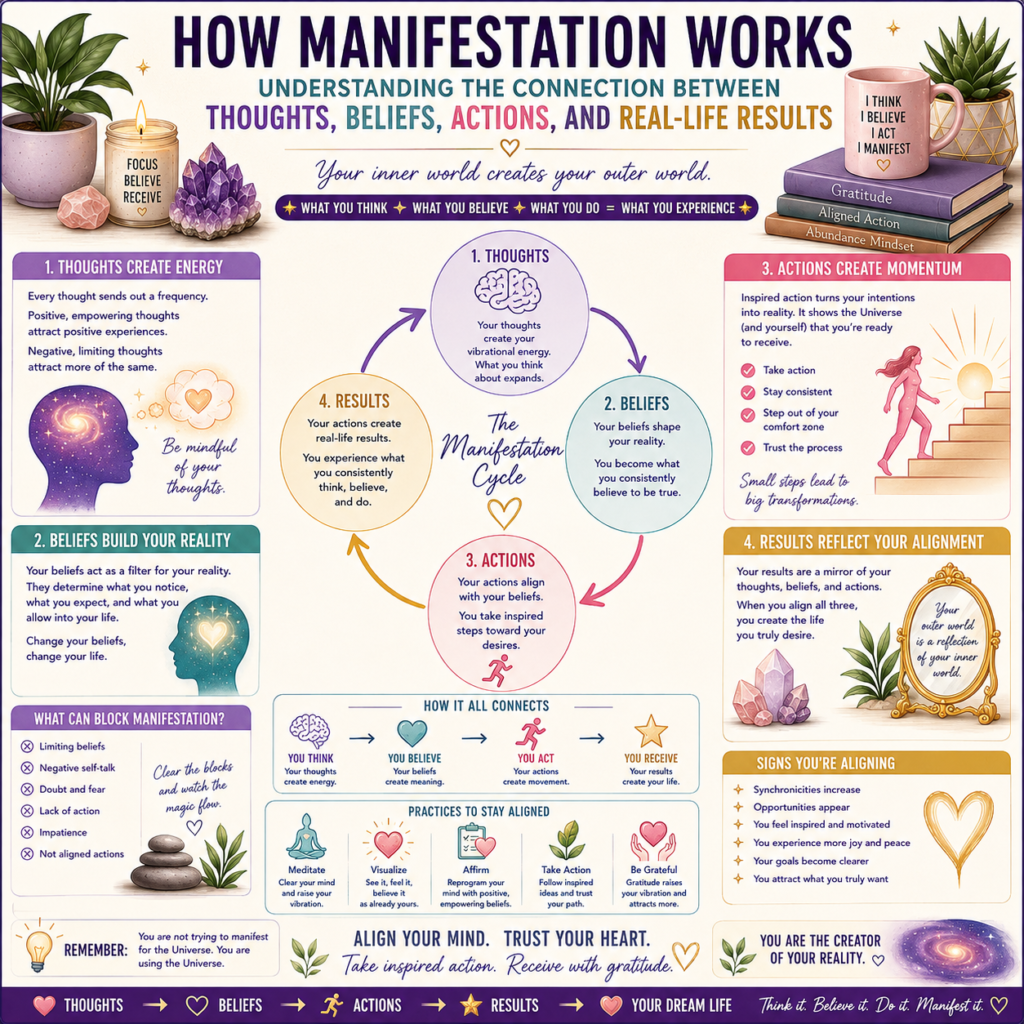
Manifestation may seem like a modern trend fueled by social media, bestselling self-help books, and motivational podcasts, but the ideas behind intentional thinking, personal transformation, and purposeful living have existed for thousands of years. Across different civilizations, cultures, philosophies, and spiritual traditions, people have explored how thoughts, beliefs, attitudes, and actions influence the course of their lives.
Today’s understanding of manifestation is often presented as a combination of positive thinking, visualization, goal setting, gratitude, and aligned action. However, these ideas have deep historical roots that stretch from ancient philosophical teachings to modern psychology and contemporary personal development. Over time, the concept has evolved, sometimes becoming simplified or exaggerated, but its central message has remained remarkably consistent: our mindset influences how we respond to life’s opportunities and challenges.
Learning about the history of manifestation helps separate timeless principles from modern misconceptions. Rather than viewing manifestation as a recent invention or a mysterious secret, it becomes easier to appreciate it as one of humanity’s long-standing efforts to understand personal growth, motivation, and intentional living.
This guide explores the historical development of manifestation, the ideas that shaped it, and how it continues to influence modern approaches to self-improvement.
The Human Desire to Shape the Future
Since the earliest civilizations, people have searched for ways to improve their lives.
Across history, individuals have hoped to:
- Achieve success.
- Find happiness.
- Build meaningful relationships.
- Overcome hardship.
- Create prosperous communities.
- Discover purpose.
Although cultures differed greatly, many shared the belief that personal choices, character, and inner attitudes played important roles in determining life’s direction.
Ancient Philosophical Traditions
Many ancient philosophical schools emphasized the importance of self-mastery rather than external circumstances.
These traditions encouraged individuals to develop qualities such as:
- Wisdom.
- Patience.
- Discipline.
- Courage.
- Self-control.
- Gratitude.
The idea that inner character shapes outward behaviour closely resembles many modern manifestation practices, although the language used was different.
The Importance of Intention
Throughout history, intention has been viewed as a powerful influence on human behaviour.
Setting clear intentions helps people:
- Clarify priorities.
- Direct attention.
- Make thoughtful decisions.
- Remain focused during challenges.
Many historical traditions emphasized that meaningful action begins with a clear sense of purpose rather than random effort.
Reflection and Self-Awareness
Long before modern journals became popular, reflective practices were already part of daily life in many cultures.
People were encouraged to examine:
- Their thoughts.
- Their actions.
- Their habits.
- Their character.
- Their relationships.
This process of self-reflection remains one of the central foundations of modern manifestation and personal development.
Visualization Through History
The practice now known as visualization also has historical parallels.
Artists, athletes, leaders, and teachers have long recognized the value of mentally preparing for important events.
Imagining success before taking action may help:
- Improve confidence.
- Reduce uncertainty.
- Increase focus.
- Reinforce motivation.
Rather than guaranteeing results, visualization has traditionally been viewed as preparation for effective action.
Personal Responsibility
A recurring theme throughout history is the idea that individuals should accept responsibility for the choices they can control.
This includes responsibility for:
- Daily habits.
- Learning.
- Attitude.
- Behaviour.
- Decision-making.
Modern manifestation often reflects this principle by encouraging people to focus on actions within their influence instead of worrying about everything beyond their control.
The Growth of Positive Thinking
During the nineteenth and twentieth centuries, greater attention began to focus on optimism and constructive thinking within personal development literature.
Many writers explored how attitudes influence:
- Confidence.
- Motivation.
- Perseverance.
- Relationships.
- Achievement.
Although interpretations varied widely, the general message encouraged readers to develop constructive mental habits alongside practical effort.
The Influence of Modern Psychology
Contemporary psychology has contributed valuable insights into many ideas commonly associated with manifestation.
Research into areas such as:
- Goal setting.
- Motivation.
- Habit formation.
- Self-belief.
- Resilience.
- Cognitive patterns.
has helped explain why certain personal development practices can support behavioural change.
Modern psychology generally emphasizes that thoughts influence behaviour, while recognizing that outcomes are affected by many different personal and environmental factors.
Manifestation in Popular Culture
In recent decades, manifestation has become increasingly visible in books, films, podcasts, and online communities.
Many modern discussions highlight practices such as:
- Vision boards.
- Gratitude journals.
- Daily affirmations.
- Visualization.
- Intentional goal setting.
While these tools can support motivation for some individuals, they are most effective when combined with consistent action rather than viewed as substitutes for effort.
Common Misunderstandings
As manifestation became more widely discussed, several misconceptions also emerged.
Some people began believing that:
- Thoughts alone create reality.
- Action is unnecessary.
- Every outcome can be completely controlled.
- Setbacks indicate personal failure.
These simplified interpretations overlook the complexity of real life.
Most balanced approaches recognize that success depends upon many interacting factors, including preparation, opportunity, persistence, learning, and circumstances beyond individual control.
Manifestation Today
Modern manifestation often combines ideas from multiple fields, including:
- Personal development.
- Goal setting.
- Positive psychology.
- Mindfulness.
- Reflection.
- Habit building.
Rather than belonging to a single philosophy, manifestation has become an umbrella term describing practices that encourage intentional living and purposeful action.
Why the Concept Continues to Endure
The popularity of manifestation reflects several universal human desires.
People naturally want to:
- Improve their lives.
- Develop confidence.
- Find direction.
- Build resilience.
- Create meaningful relationships.
- Achieve worthwhile goals.
Practices that encourage clarity, optimism, and disciplined effort continue to resonate because they address these timeless aspirations.
A Balanced Perspective
Understanding manifestation historically encourages a balanced approach.
Rather than expecting guaranteed outcomes, many people use manifestation as a framework for:
- Clarifying goals.
- Developing constructive habits.
- Maintaining motivation.
- Learning continuously.
- Remaining adaptable.
- Appreciating progress.
This perspective emphasizes personal growth rather than unrealistic certainty.
Building on Historical Principles
Many timeless ideas remain highly relevant today.
These include:
- Acting with intention.
- Practising gratitude.
- Learning from experience.
- Developing resilience.
- Maintaining discipline.
- Treating others with kindness.
- Continuing to grow throughout life.
Although terminology has changed over the centuries, these principles remain central to many approaches to intentional living.
Final Thoughts
The history of manifestation demonstrates that the desire to shape a better future is far older than modern self-help literature or social media trends. Across generations, cultures, and philosophies, people have explored how thoughts, attitudes, beliefs, and purposeful actions influence personal growth and the choices that shape their lives.
Today’s understanding of manifestation draws upon many of these historical ideas while combining them with contemporary knowledge about mindset, motivation, and behaviour. When approached thoughtfully, manifestation becomes less about expecting instant results and more about living intentionally, acting consistently, learning continuously, and becoming the best version of yourself through daily choices and meaningful action.
—
The End
Velourana.com
 Discover More From Our Family of Websites
 ZodiacBearing (Astrology, Tarot, Numerology, Angel Numbers & Spiritual Guidance)
 Velourana (Beauty, Makeup, Hair Care, Skincare & Beauty Tips)
 HavenBearing (Home, Living, Organization, Décor & Everyday Inspiration)
 PawBearing (Pet Care, Dog Breeds, Animal Health, Training & Pet Products)
 PsyCatherine (Notes From the Journal of a Psychologist on Real Life)